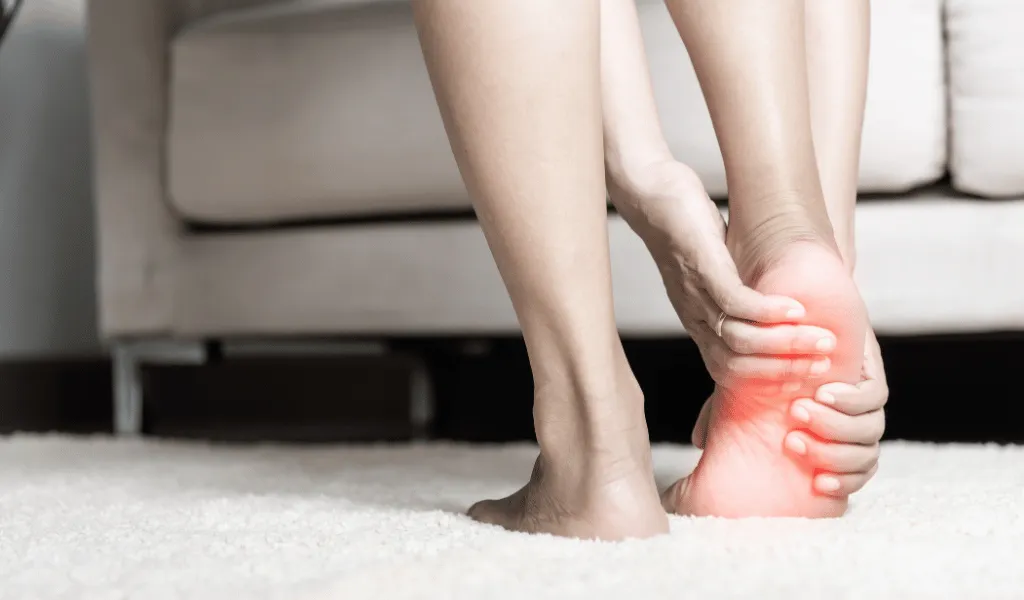
That stabbing pain in your heel when you take your first steps in the morning is one of the hallmark signs of plantar fasciitis. At Quest Chiropractic And Acupuncture in Itasca, IL, we treat plantar fasciitis by addressing not only the inflamed tissue in your foot but also the biomechanical factors throughout your lower extremity that caused the problem. Patients from Itasca, Wood Dale, Roselle, Bloomingdale, and across DuPage County come to our office for heel pain treatment that delivers lasting results.
What Is Plantar Fasciitis?
The plantar fascia is a thick band of connective tissue that runs along the bottom of your foot from the heel bone (calcaneus) to the base of the toes. It supports the arch of the foot and acts as a shock absorber during walking and running. Plantar fasciitis develops when this tissue becomes irritated, inflamed, and sometimes develops micro-tears from repetitive stress.
The condition is most common in people who spend long hours on their feet, runners, individuals who are overweight, those who wear unsupportive footwear, and people with either flat feet or high arches. Tight calf muscles and Achilles tendons are also significant contributing factors because they increase the strain on the plantar fascia with every step.
The classic symptom is sharp heel pain that is worst with the first steps after waking up or after long periods of sitting. The pain may decrease somewhat with movement as the fascia warms up, but it often returns after prolonged standing or at the end of the day. Without treatment, plantar fasciitis can become chronic and increasingly resistant to conservative measures.
How We Treat Plantar Fasciitis
Our evaluation goes beyond the foot to examine the entire lower extremity kinetic chain. We assess foot arch structure, ankle range of motion, calf and Achilles flexibility, knee and hip alignment, pelvic balance, and gait mechanics. This thorough approach reveals all the factors contributing to the excessive strain on your plantar fascia.
Chiropractic adjustments to the foot and ankle restore proper joint mechanics that directly affect how the plantar fascia is loaded during walking and standing. Adjustments to the knee, hip, and pelvis address biomechanical issues further up the chain that alter your gait and increase stress on the foot.
Acupuncture provides targeted pain relief and anti-inflammatory effects at the site of the plantar fascia insertion. It also addresses referred pain patterns and muscle tightness in the calf and lower leg that contribute to the condition.
Shockwave therapy, when indicated, delivers acoustic waves to the damaged tissue, stimulating blood flow and promoting the healing response. Soft tissue therapy releases the calf muscles, Achilles tendon, and the plantar fascia itself. We prescribe specific stretching and strengthening exercises and may recommend custom orthotics to provide sustained arch support and distribute pressure more evenly across the foot.
Benefits of Chiropractic Care for Plantar Fasciitis
- Relief from morning heel pain and walking discomfort
- Reduced plantar fascia inflammation and micro-tearing
- Restored foot and ankle joint mechanics
- Released tight calf muscles and Achilles tendon
- Corrected biomechanical issues through the entire lower extremity
- Custom orthotic support when indicated
- Non-surgical resolution of chronic heel pain
- Prevention of recurrence through comprehensive rehabilitation
Why Choose Quest Chiropractic And Acupuncture
Many plantar fasciitis treatments focus solely on the foot — stretching the plantar fascia, icing the heel, or using a night splint. While these measures can help, they often produce incomplete results because they do not address the biomechanical chain that is overloading the fascia. Our whole-body approach corrects the underlying mechanics while also treating the local tissue, which is why our patients achieve better, longer-lasting outcomes.
Frequently Asked Questions
How long does plantar fasciitis take to heal? With comprehensive treatment, most patients experience significant improvement within four to eight weeks. However, the timeline depends on how long you have had the condition and how many contributing factors are involved. Chronic cases that have been present for months may take longer to fully resolve. Early treatment generally leads to faster recovery.
Do I need custom orthotics for plantar fasciitis? Not everyone with plantar fasciitis needs orthotics, but they can be very helpful for patients with flat feet, high arches, or occupations that require prolonged standing. Custom orthotics provide consistent arch support and redistribute pressure away from the damaged fascia. We evaluate your foot structure and gait to determine whether orthotics would benefit your specific case.
Can I continue exercising with plantar fasciitis? You may need to modify your exercise routine, but complete rest is usually not necessary. Low-impact activities such as swimming and cycling are generally well-tolerated. Running and jumping should be reduced or paused until the acute inflammation subsides. We provide specific activity recommendations based on the severity of your condition and your fitness goals.
Take the first step toward pain-free mornings. Call Quest Chiropractic And Acupuncture at (847) 320-0859 or request an appointment online to begin treating your plantar fasciitis the right way.